


Ethical Exclusions
Since 2008, the FRR has had in place a system enabling it to monitor and prevent extra-financial risks that may have an impact not only on its investments but also on its reputation.
Indeed, risks for the FRR may arise from failure by a company in which it invests to observe universally recognized principles, such as those of the United Nations Global Compact and the Principles for Responsible Investment (PRI), those of good governance such as the International Corporate Governance Network (ICGN), but also those of the international treaties ratified by France, particularly the Ottawa and the Oslo Treaties.
Prohibited Weapons
Each year, the FRR publishes an exclusions list approved by the Supervisory Board’s Responsible Investment Committee. This list is updated during the first half of each year, and published on the FRR’s website.
It is based on a methodology which seeks to identify companies involved in the development, production, maintenance, use, distribution, stockpiling, transport or trade of banned weapons or their key components.
Stakeholders have traditionally characterized these weapons as:
- Weapons of mass destruction
- Anti-personnel mines, cluster bombs and certain conventional weapons

Exclusion List
- Aerospace Long-March International Trade Co., Ltd. China
- Anhui GreatWall Military Industry Co., Ltd. China
- China North Industries Corp. China
- China North Industries Group Corp. Ltd. China
- Compania Nationala ROMARM SA Romania
- Defense Research & Development Organization India
- Electromechanical Ordtech Ltd. Greece
- Global Industrial & Defence Solutions Pakistan
- LIG Nex1 Co., Ltd. South Korea
- Makine ve Kimya Endüstrisi AS Turkey
- Nityanand Udyog Pvt Ltd. India
- Poongsan Corp. South Korea
- POONGSAN HOLDINGS Corp. South Korea
- SNT DYNAMICS Co., Ltd. South Korea
- SNT Holdings Co., Ltd. South Korea
- The Day & Zimmermann Group, Inc. United States
- Yugoimport-SDPR Serbia
Dernière mise à jour : 13/02/2026
Tobacco Industry
Smoking is recognised as one of the greatest and most serious threats to public health worldwide.
The World Health Organization (WHO) estimates that smoking is responsible for nearly 12% of deaths among adults over the age of 30. In response, the WHO, governments and civil society are increasingly coming together to discourage tobacco consumption, and this could eventually weigh on these companies’ performance.
The FRR also believes that dialogue with these companies cannot achieve anything, as the only question that can be asked of them is to quite simply give up their business.
The FRR decided to divest from tobacco at the end of 2017.

In December 2023, the FRR adopted a new responsible investment strategy that strengthens its climate policy, particularly with regard to the exclusion of the most polluting activities.
The FRR’s Responsible Investment Strategy aims to achieve carbon neutrality by 2050. The 2024-2028 action plan therefore includes the implementation of ambitious decisions from 2024 onwards.
Coal and unconventional energy sources
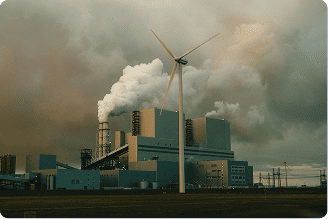
In December 2023, the FRR adopted a new responsible investment strategy that strengthens its climate policy, particularly with regard to the exclusion of the most polluting activities.
The FRR’s Responsible Investment Strategy aims to achieve carbon neutrality by 2050. The 2024-2028 action plan therefore includes the implementation of ambitious decisions from 2024 onwards.
In addition, the FRR has now decided to exclude companies:
- whose coal-fired electricity generation capacity exceeds 10 GVV, or
- whose thermal coal extraction exceeds 10 million tonnes, or
- which are developing new coal-fired power plants.
Unconventional energy
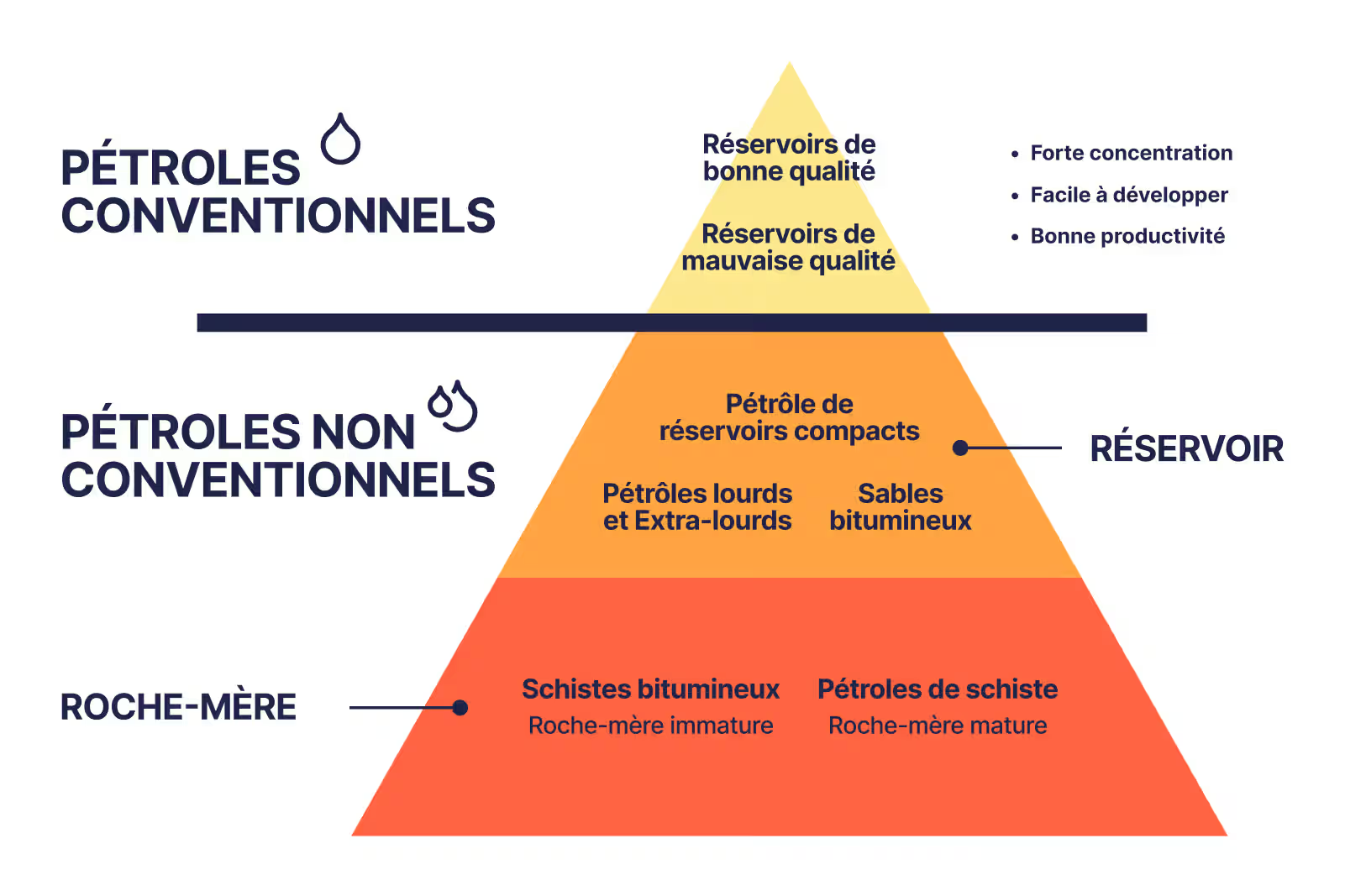
Furthermore, with regard to unconventional energy, all companies that generate more than 20% of their cumulative revenue from the following activities will be excluded from the portfolio:
- Oil sands
- Activities in the Arctic
- Hydraulic fracturing
- Ultra-deepwater drilling
With a view to supporting the transition, these exclusions will not apply to green bonds, nor when the companies concerned have published a plan to phase out these activities that is compatible with a trajectory of limiting global warming to 1.5°C.


